
You are now leaving ae.lilly.com/obesityisadisease
The link you clicked on will take you to a website operated by a third party who is solely responsible for the content of the website. Lilly UAE does not control, influence or endorse this website. The opinions, claims or comments expressed on the website cannot be attributed to Lilly UAE. Lilly UAE is not responsible for the privacy practices of third party websites.
Click "Next" to continue or "Back" to return to www.ae.lilly.com/obesityisadisease
Further
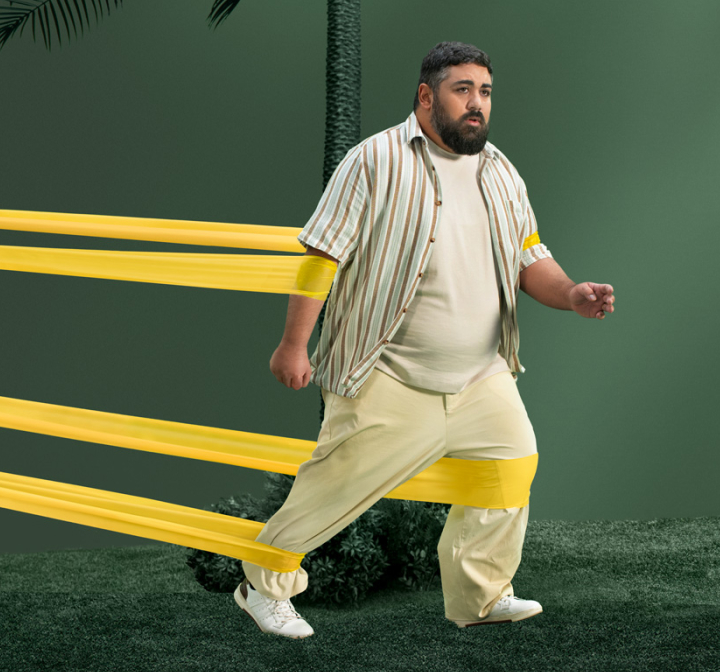

Are you living with obesity?
BMI and obesity
There are different considerations when defining obesity—it is more complicated than just a number on a scale.8 Obesity is a complex chronic and progressive disease and while BMI can be used to categorize obesity, your doctor may consider additional factors.9 Some of these factors include the measurement of waist-to-height ratio and the effect that excess weight has on your health or quality of life whether that be medically, functionally, or psychologically.10 BMI is calculated by comparing your weight to your height and can be an initial indicator on whether you should speak with your doctor.
Enter your height and weight to calculate your BMI.
Use the chart below to see the BMI categories for those aged 20 and older and their definitions.8 It’s important to note that the BMI categories can differ depending on a person’s ethnicity.9 Remember, your BMI is just one indicator for obesity—it is always best to talk with your doctor about it.
BMI CALCULATOR

Height (in m/cm)

Weight (in kg)
Fill in your height and weight in order to receive your result.
If you are concerned about your BMI results, then you may want to have talk with your doctor. Download this questionnaire to prepare for a conversation with your doctor about obesity management.
BMI ranges8
Body mass index (BMI) ranges
≤18.5
If your BMI is less than 18.5kg/m2, it falls within the underweight range.
18.5 - 24.9
If your BMI is 18.5 to 24.9kg/m2, it falls within the healthy weight range.
25.0 - 29.9
If your BMI is 25.0 to 29.9kg/m2, it falls within the overweight range.
≥30.0
If your BMI is 30.0kg/m2 or higher, it falls within the obesity range.

"I never realized that obesity is a disease, and now I wonder if something else is playing a bigger role than I thought."
— Theo N.
Each testimonial is derived from stories from multiple people with obesity as shared in market research interviews. Names are pseudonyms.

What can make weight loss so difficult?
Losing weight is one thing but sustaining that weight loss is another.11 If you've tried diet and exercise, you might have lost weight but then regained it.5 While some maintain a healthy weight this way, it often isn't enough for those with obesity.1 It can feel like you're doing your best, but something is holding you back from keeping the weight off.
Research suggests that when you stay at a certain weight for a long time, your body can resist changing.6,7,12 This means when you start to lose weight, your body may start to adapt, making it harder to sustain the weight loss over time.12
Additionally, your body may have a hormonal response that makes you feel less full when you eat and feel hungry more often.7
Obesity is a complex, chronic disease.1,2,5
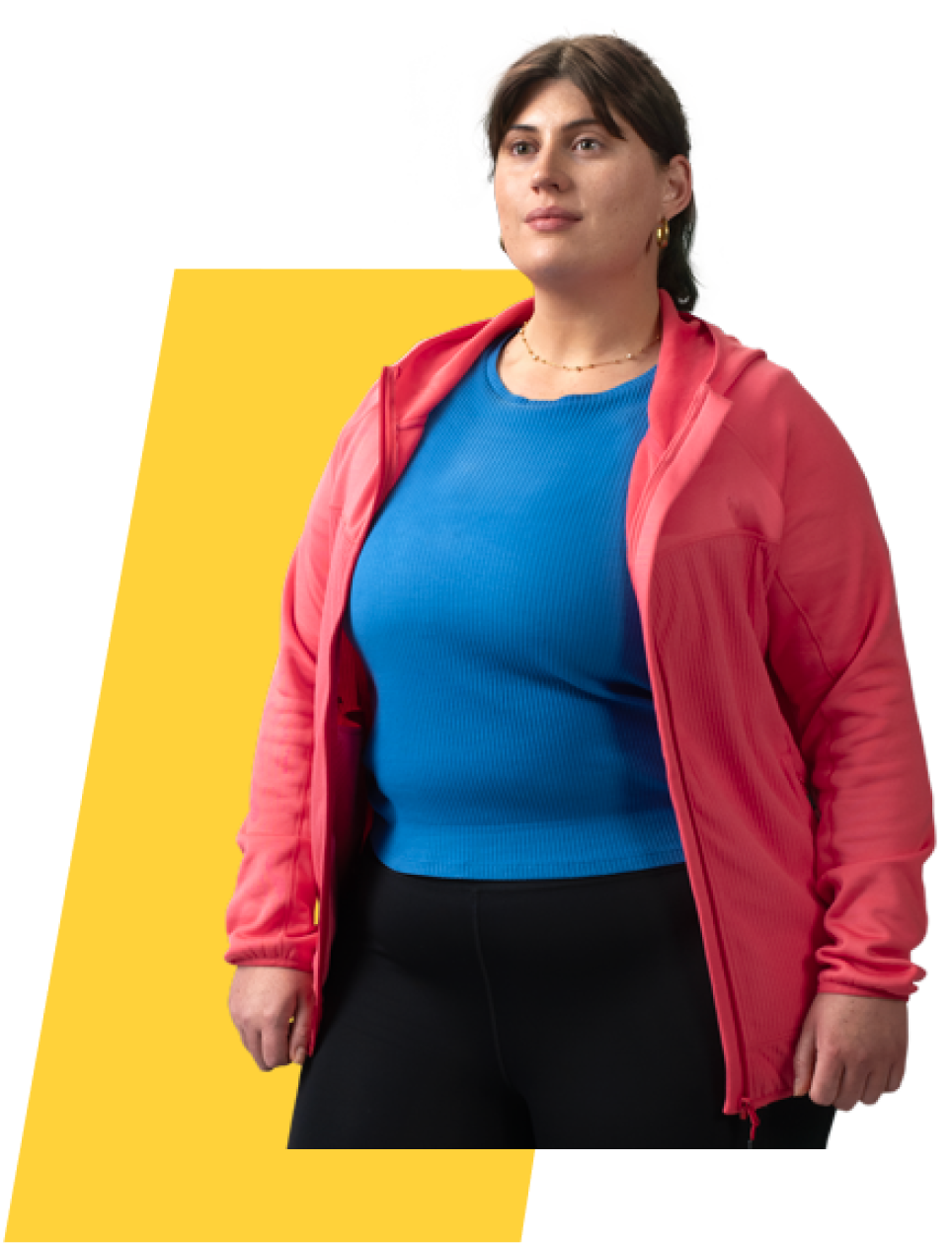
Losing weight is one thing but sustaining that weight loss is another.11 If you've tried diet and exercise, you might have lost weight but then regained it.5 While some maintain a healthy weight this way, it often isn't enough for those with obesity.1 It can feel like you're doing your best, but something is holding you back from keeping the weight off.
Research suggests that when you stay at a certain weight for a long time, your body can resist changing.6,7,12 This means when you start to lose weight, your body may start to adapt, making it harder to sustain the weight loss over time.12
Additionally, your body may have a hormonal response that makes you feel less full when you eat and feel hungry more often.7
Obesity is a complex, chronic disease.1,2,5
"Daily physical activity and eating right consistently leads to noticeable changes, but my issue is maintaining it. Diets work at first, but once my body adapts, the progress stalls, and then it's back to square one."
— Raquel S.
Each testimonial is derived from stories from multiple people with obesity as shared in market research interviews. Names are pseudonyms.