

It’s time for a real change in weight loss
We know that sustaining weight loss can be challenging. While short term behavioral changes may help you lose a modest weight, maintaining it needs ongoing effort because the body resists weight loss. However, long-term success is achievable through a combination of lifestyle modifications and evidence-based interventions, guided by healthcare professionals to meet your individual needs.1
So, it makes you wonder if something else is going on that you need to understand. Fortunately, the understanding of obesity is changing, helping us rethink how we talk about and treat obesity.

It’s not your fault
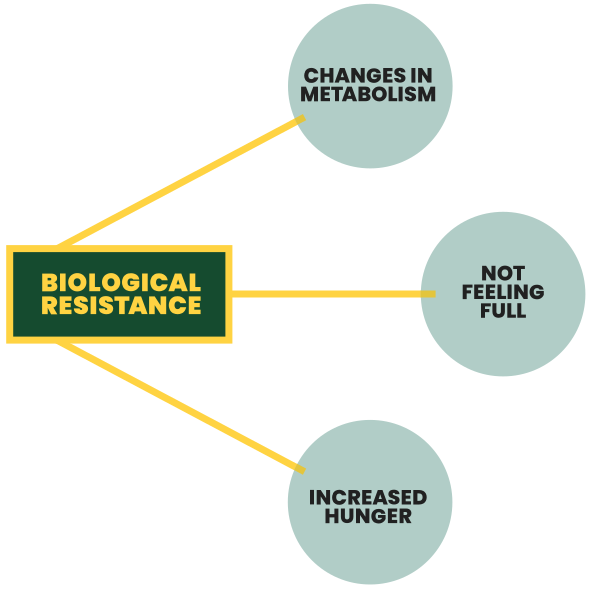
So, why can it be so hard to lose weight?
Because obesity is a disease, not a choice.1
Obesity is a chronic disease and complex biological factors can contribute to inceased hunger, reduced feelings of fullness, and affect metabolism, making it difficult for some people to lose and sustain weight loss.1
If you feel like something is holding you back from reaching and keeping your weight loss goals, you're not alone. Obesity is influenced by many factors beyond just diet and exercise, like biology, genetics, environment, and society. The body can resist weight loss, so it's important to approach weight management with a comprehensive science-based strategy that fits your personal needs.1

Break free from the cycle

If you've ever felt frustrated on your journey to achieving sustained weight loss,2 you can find support and helpful resources.10 If you’ve already tried diet and exercise, you know that they can work—but for some people with obesity, they may not be enough in the long term.1
If you think you might need additional support...
Complete this questionnaire to prepare yourself to discuss obesity and potential treatment options with your doctor.

Obesity impacts life
Living with obesity is more than just a number on a scale—it can impact many aspects of life.
There are many complications of obesity that can pose significant health risks, including high blood pressure, high cholesterol, and sleep disorders.3,7 Obesity can increase the risk of heart disease, diabetes, and certain types of cancer.3,7 Beyond limitations to physical health, obesity can also adversely affect your mental well-being8 and relationships with others and yourself.9
But you are not alone.
Many others share similar experiences to yours, and their personal stories can offer support.2,5

Living with obesity is more than just a number on a scale—it can impact many aspects of life.
There are many complications of obesity that can pose significant health risks, including high blood pressure, high cholesterol, and sleep disorders.3,7 Obesity can increase the risk of heart disease, diabetes, and certain types of cancer.3,7 Beyond limitations to physical health, obesity can also adversely affect your mental well-being8 and relationships with others and yourself.9
But you are not alone.
Many others share similar experiences to yours, and their personal stories can offer support.2,5

"I'm worried about my health because of my weight. I try to live healthier but often feel stuck - the potential risks for my future are my biggest concerns."
— Brian D.
Each testimonial is derived from stories from multiple people with obesity as shared in market research interviews. Names are pseudonyms.